
Insights
Focus on CAPEX
by OptiPeople Team
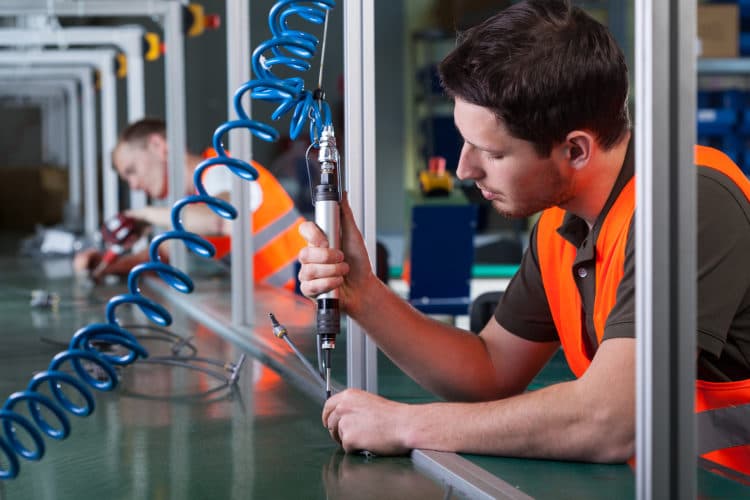
CAPEX stands for capital expenditure, or capital investment.
When you measure and optimize your production, you can avoid investments you didn't need.
Why CAPEX matters
Buying another machine can look like a good way to produce more. But it also brings:
- capital cost
- depreciation
- financial risk
If you can get more out of the equipment you already have, revenue can grow without tying up more capital.
Avoid unnecessary risk
A simple example:
A company buys a machine to keep up with rising demand. Then the customer behind that demand disappears early. The extra revenue is gone, but the depreciation keeps running.
If the investment could have been avoided, it was an unnecessary risk.
The better way
Do it in this order:
- optimize the production you have today
- use data to find out where the waste is
- decide on an investment only once you know how much there is to gain from optimizing
This can give you:
- fewer unnecessary investments
- better use of the capacity you have
- stronger financial discipline
CAPEX and production efficiency
Efficient production also ties in with sustainability and job satisfaction:
- less waste
- smarter use of resources
- less financial risk
The point is that data-driven optimization should come before major capital investments whenever possible.