
Features
From raw machine and workstation data to real understanding
Explore the capabilities that make production visible, measurable, and improvable, every day. Each one starts from something a machine or an operator actually records, and ends in a number someone can act on.
Explore the features
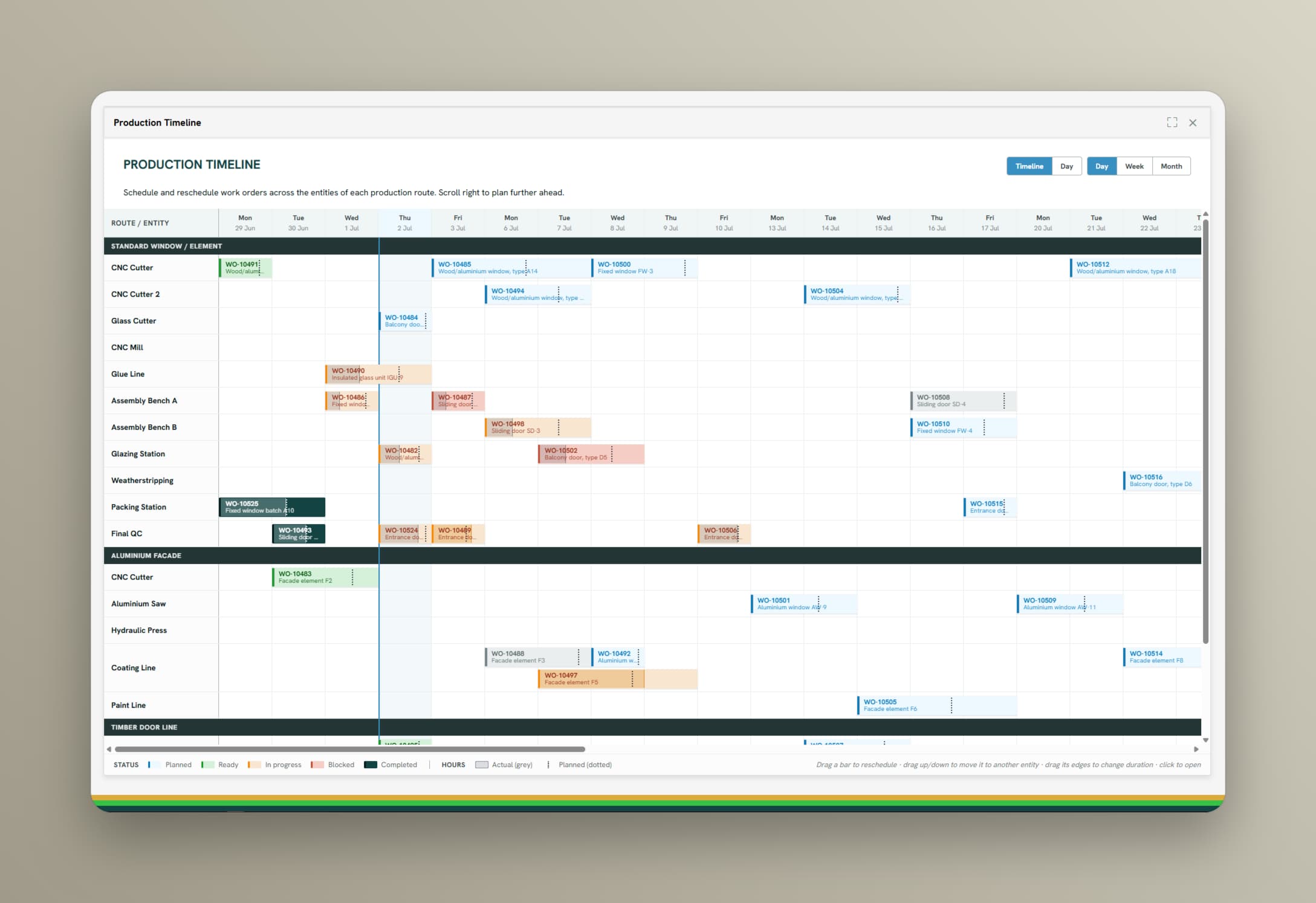
Production planning
Plan each production route on the capacity you actually have.
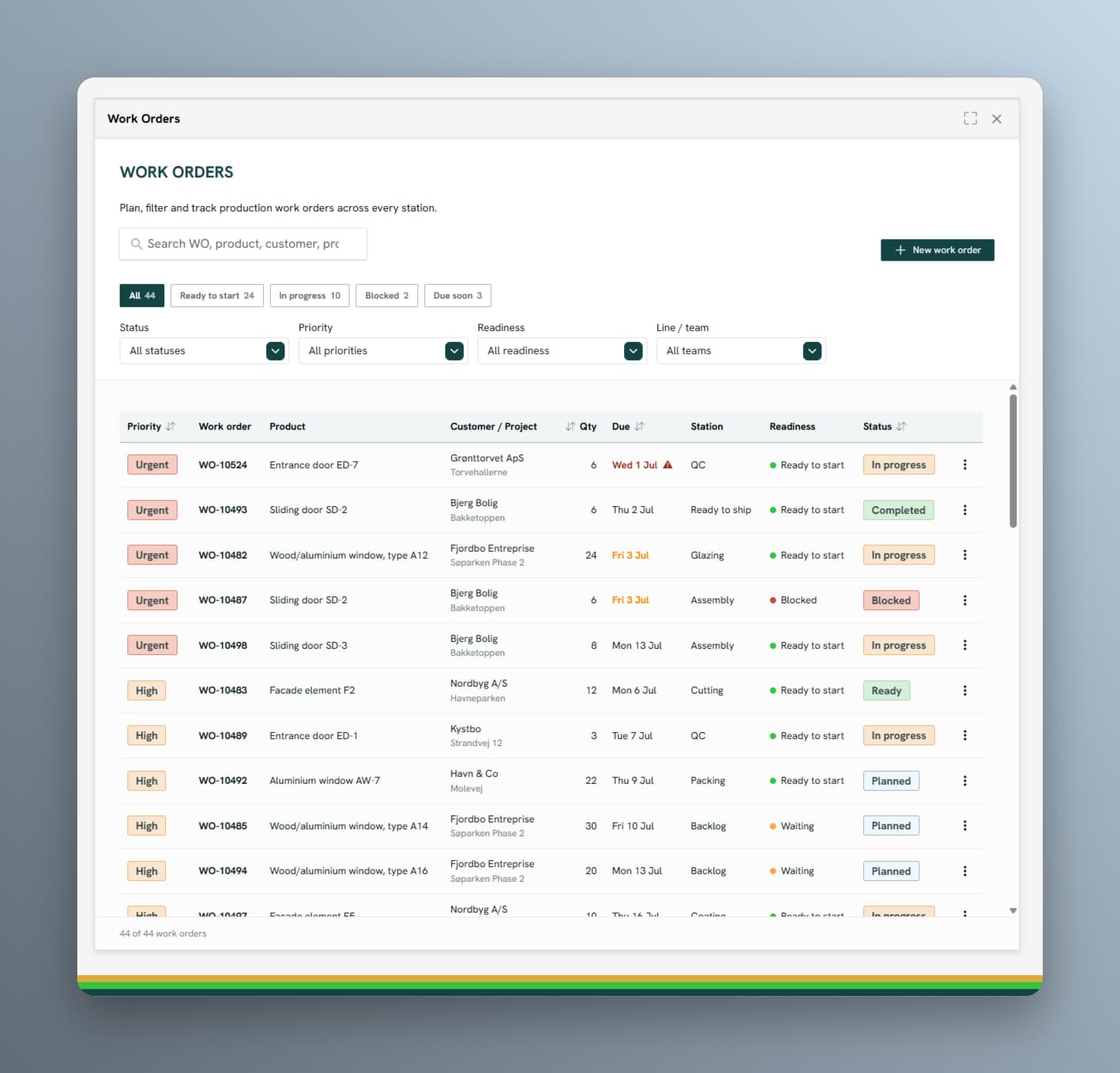
Order management
Run orders at the machine or workstation, with instructions, SOPs, and traceability.
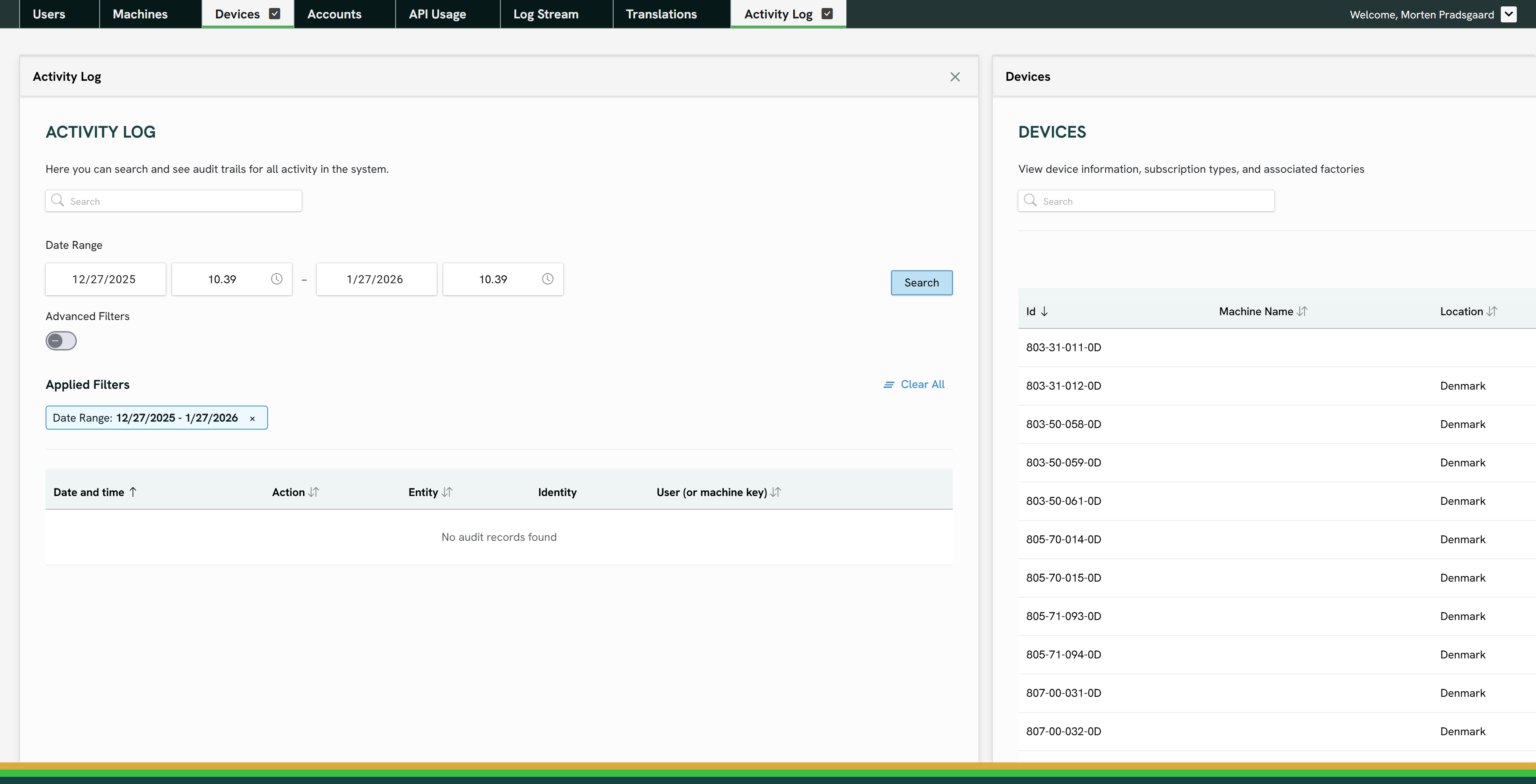
Quality management
Register quality data where the work happens.
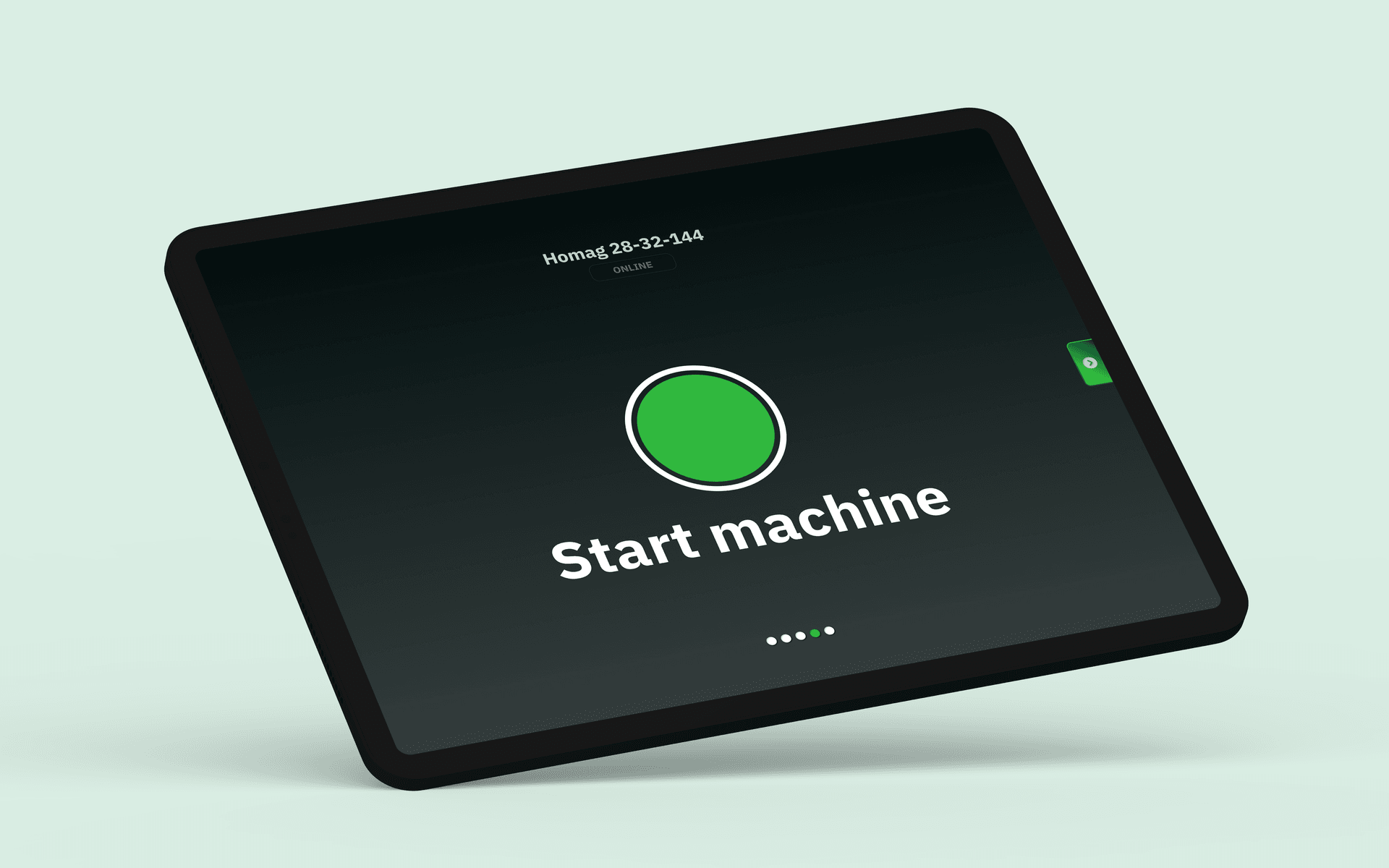
Machine control
Integrate with machine controls for tighter loops.
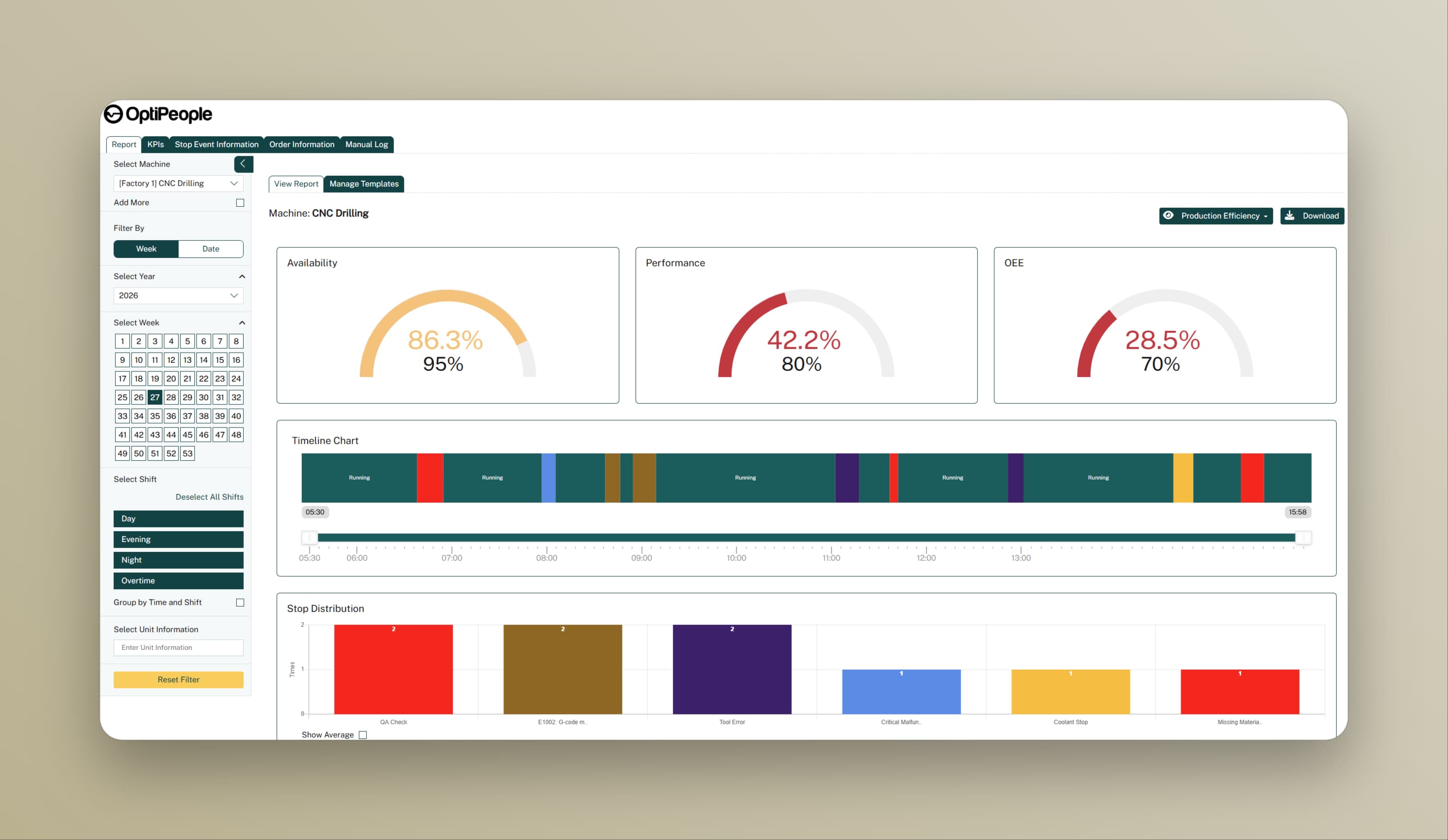
Production efficiency
Track OEE live across shifts, lines, and machines.
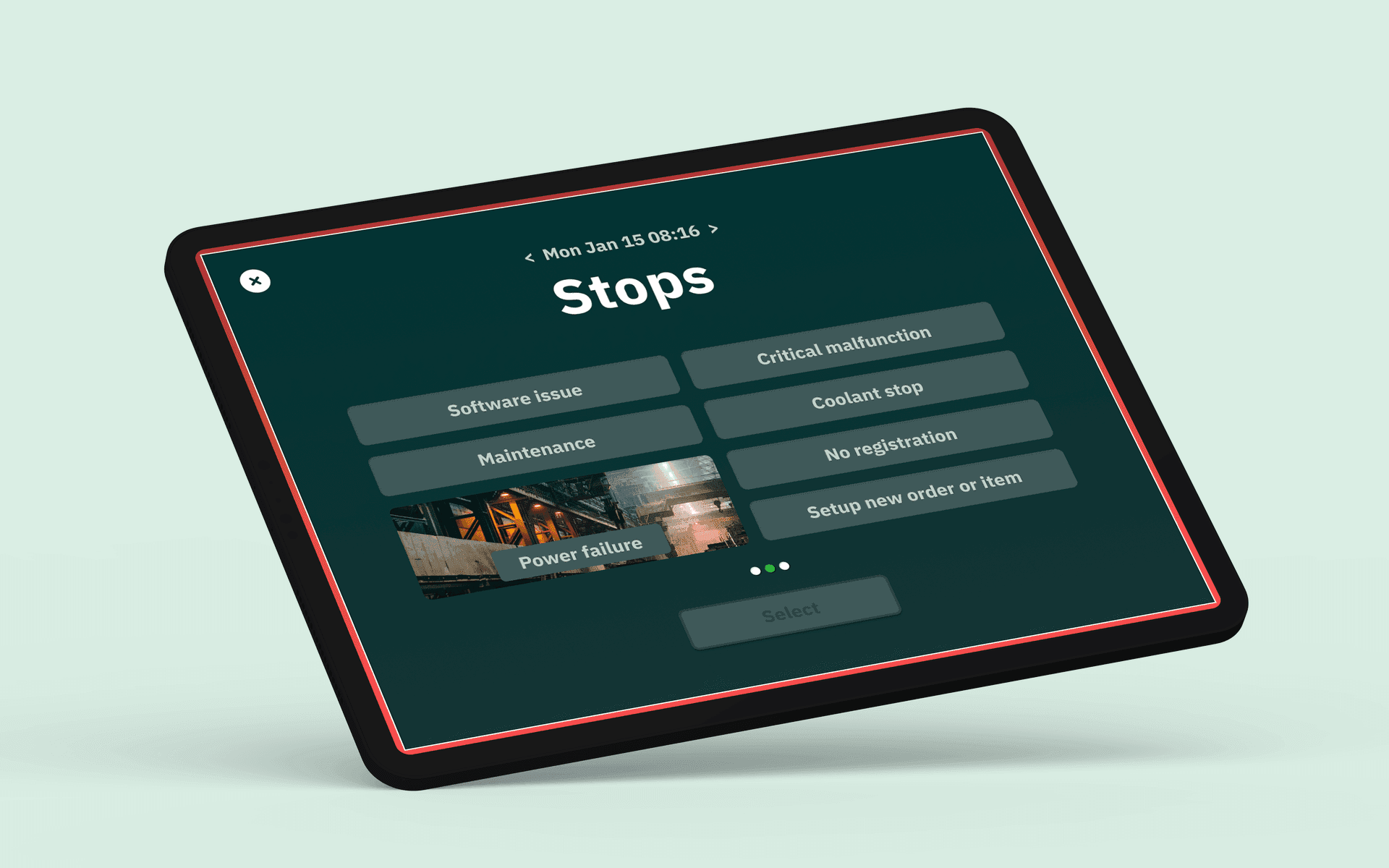
Stop-cause registration
Capture downtime causes at the source, on the machine or workstation.
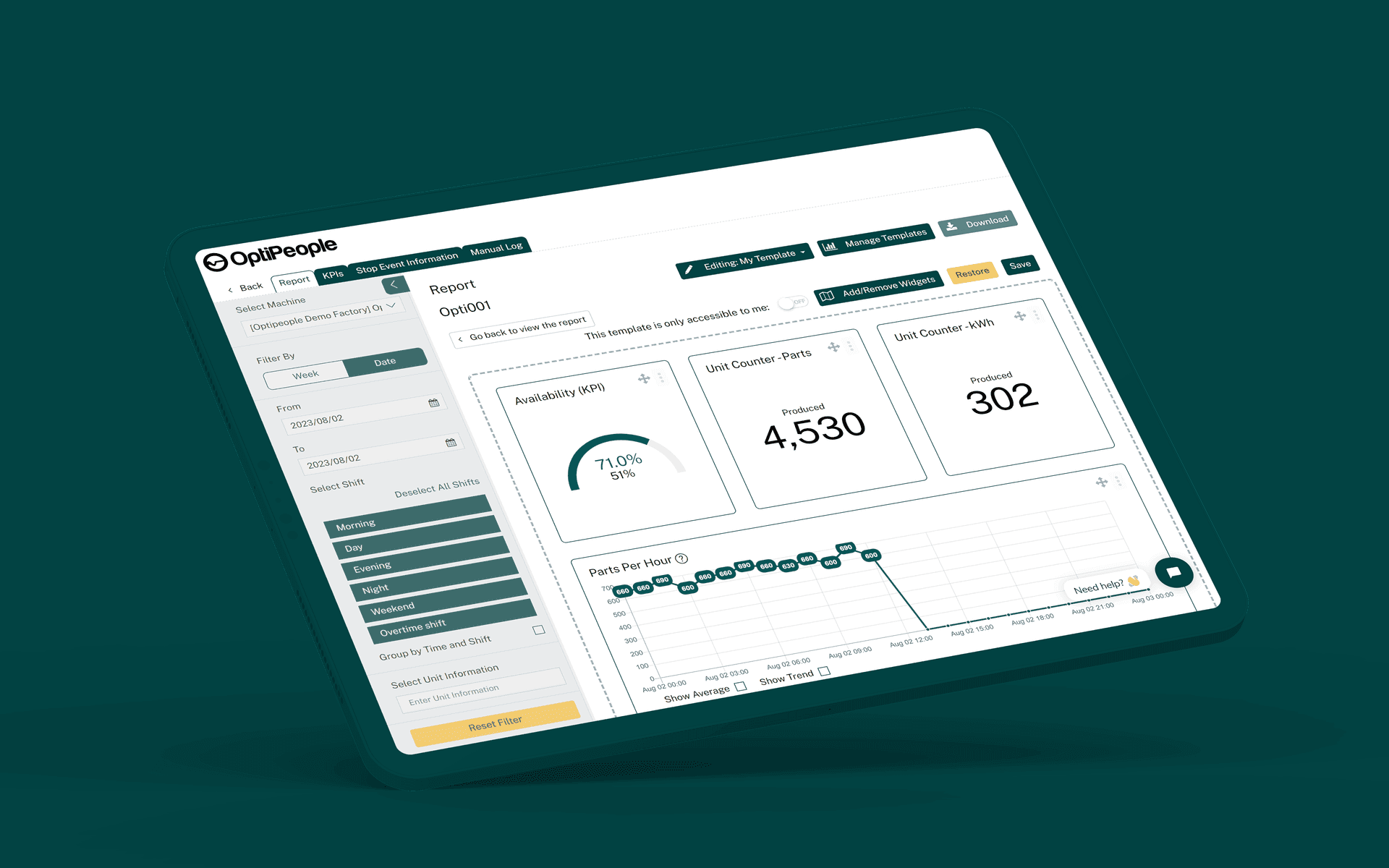
Analysis & reporting
Turn production data into clear reports.
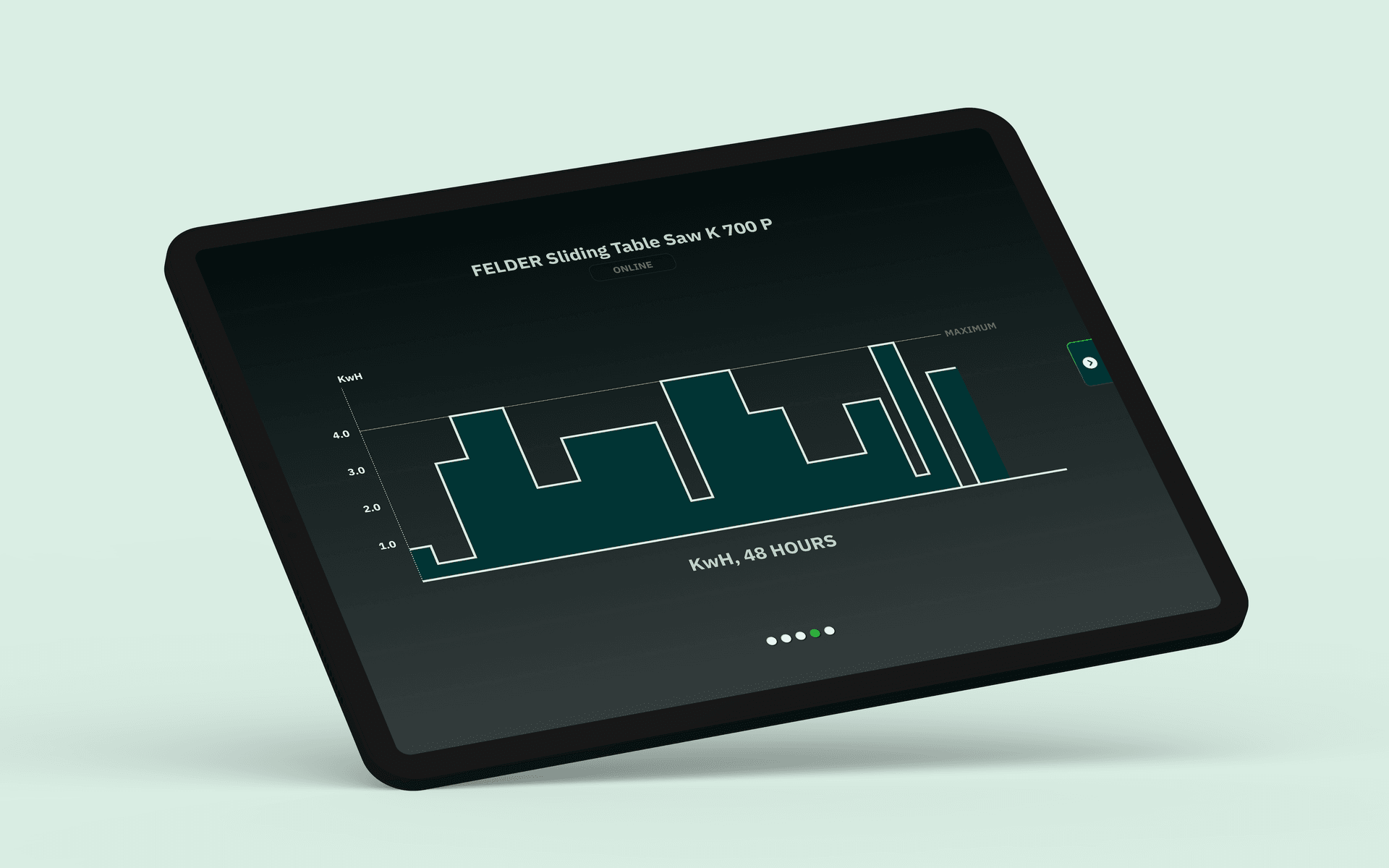
Energy & process data
Connect energy, vibration, flow, and temperature data.
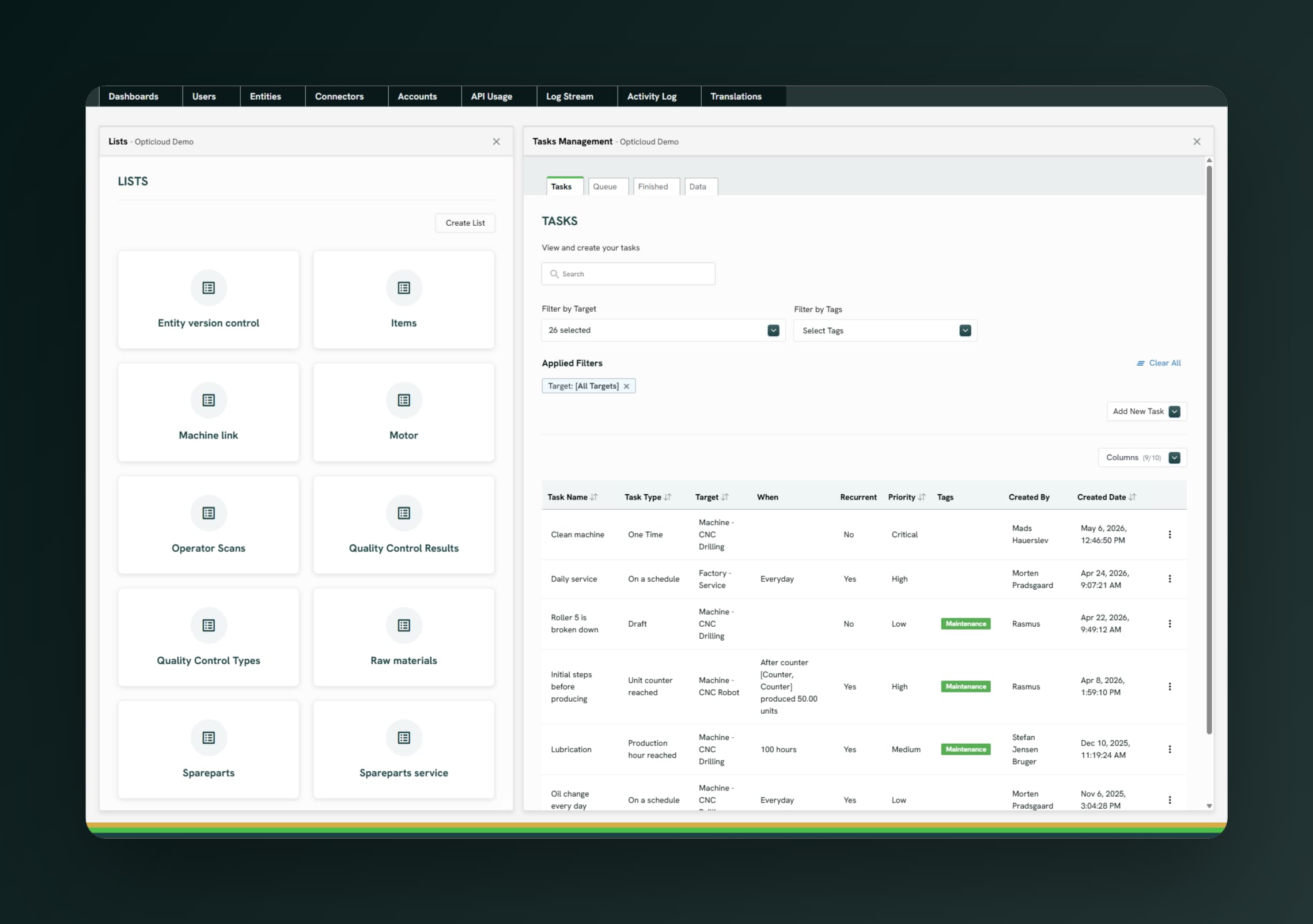
Maintenance & tasks
Plan preventive maintenance by usage and condition.
AI & copilots
Ask questions and find patterns in your own data.
Measured, not estimated
A machine either ran or it did not, and the signal says which. OptiPeople Data Platform builds its numbers from what equipment reports and what operators register at the machine or workstation, so the OEE figure in a Monday meeting traces back to specific minutes on a specific line rather than to someone's recollection of the week.
Registered where the work happens
Stop causes, quality checks, and maintenance tasks are captured at the machine or workstation, on a panel or a phone, in the seconds after they happen. Data collected at the source is data people trust, and it does not depend on anyone remembering to fill in a spreadsheet at the end of a shift.
The same numbers for everyone
Operators, supervisors, and management look at the same underlying data, cut differently. That removes the familiar argument about whose figures are right and moves the conversation to what to do about them.
Useful on day one, better over time
A connected line tells you something immediately: how much it ran, when it stopped, how long the changeovers took. As history builds, the same data supports patterns: recurring stop causes, machines drifting off pace, energy per unit creeping up.