
Insights
Which operations are preventive maintenance? 10 examples
by OptiPeople Team
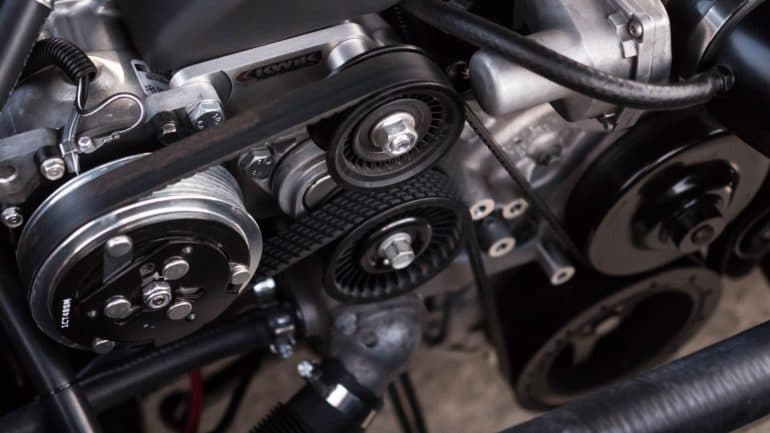
An operation counts as preventive maintenance when it is planned and done before a failure, to keep a machine from breaking down. Typical examples are inspections, cleaning, lubrication, oil and filter changes, tightening and adjusting, calibration and replacing wear parts on a schedule. Repairing a machine after it has broken down is not preventive. That is corrective maintenance.
Which operations would be described as preventive maintenance?
Ten operations that are preventive maintenance:
- Visual inspection of belts, hoses, guards and seals for wear, cracks or leaks.
- Cleaning machines, filters, coolers and sensors so dirt does not cause heat, wear or false readings.
- Lubrication of bearings, chains, gears and slides.
- Oil and filter changes at a fixed interval or after a set number of running hours.
- Tightening and adjusting bolts, belts, chains and couplings that loosen with vibration.
- Calibration of scales, sensors and measuring equipment.
- Replacing wear parts such as belts, seals, bearings, blades and nozzles before they fail.
- Testing safety functions such as emergency stops, light curtains and interlocks.
- Measuring condition such as vibration, temperature or current, to spot wear early.
- Updating and backing up PLC programs and machine software.
What they have in common: the work is planned, it happens while the machine still works, and its purpose is to prevent a failure.
Preventive maintenance or not?
| Operation | Preventive maintenance? | Why |
|---|---|---|
| Changing the oil every 500 running hours | Yes | Planned, done before wear causes a failure |
| Greasing bearings every week | Yes | Scheduled, reduces wear |
| Replacing a belt at its planned interval | Yes | Planned replacement of a wear part |
| Daily operator check and cleaning | Yes | Routine care that catches problems early |
| Replacing a bearing when vibration starts rising | Yes, condition-based | Done before the failure, triggered by a measurement |
| Repairing a motor after it has burned out | No, corrective | Done after the failure |
| Restarting a machine after a jam | No | Fixing a stop, not preventing one |
| Rebuilding a machine to make it faster | No, improvement | Changes the machine instead of keeping it running |
What are the three types of preventive maintenance?
Preventive maintenance is planned in one of three ways, depending on what triggers the work.
| Type | Triggered by | Example |
|---|---|---|
| Time-based | The calendar | Clean the cooler every month |
| Usage-based | Running hours, cycles or output | Change the oil every 500 running hours |
| Condition-based | A measurement crossing a limit | Replace the bearing when vibration rises |
Time-based maintenance happens at fixed intervals, such as every week, month or year. It suits tasks that should be done no matter how much the machine runs, such as cleaning or safety checks.
Usage-based maintenance follows how much the machine has actually run. A machine that runs three shifts is serviced more often than one that runs one. This needs running hours or cycle counts from the machine. Kvik switched from calendar-based to usage-based maintenance and raised uptime by 5%.
Condition-based maintenance is triggered by what you measure, such as vibration, current (amperes) or temperature. It is more precise than a fixed schedule and is the step toward predictive maintenance.
How do you set up preventive maintenance?
1. Map your equipment
List the machines and parts that will need attention at some point: moving parts, fixed parts, supporting components and wear items.
2. Prioritize
Decide where to start based on:
- how critical the part is to production
- how often it needs replacing
- how much a failure costs in downtime and repairs
3. Put it in a system
Each task needs an interval or trigger, a description and an owner. A whiteboard or spreadsheet works for a few machines. With many machines and many tasks, a CMMS or maintenance software keeps track of what is due, sends alerts and shows what has been done.
4. Assign responsibility
Preventive maintenance involves several roles:
- Operators handle daily tasks such as cleaning, checks and lubrication.
- Mechanics and electricians handle the deeper technical work.
- Engineers set intervals and improve the plan.
- Managers plan, prioritize and coordinate.
5. Follow up
Check that tasks are done on time and whether breakdowns go down. OEE for maintenance shows how much availability is lost to unplanned stops.
The OptiPeople Maintenance module plans preventive tasks by time or by real running hours and cycle counts from connected machines, sends alerts when a task is due, and shows the whole team what is waiting.
Frequently asked questions
What is preventive maintenance?
Preventive maintenance is planned maintenance done before a machine fails, to reduce breakdowns and extend its life. It is scheduled by time, by usage or by measured condition.
Is an oil change preventive maintenance?
Yes. An oil change is done at a planned interval, before worn oil damages the machine or engine, which makes it a classic example of preventive maintenance.
Is inspection preventive maintenance?
Yes. Regular inspections are planned and done while the machine is running fine, so problems are found before they turn into failures.
What is the difference between preventive and corrective maintenance?
Preventive maintenance is planned and done before a failure. Corrective maintenance is done after something has broken or stopped working, to bring it back into service.
What is the difference between preventive and predictive maintenance?
Preventive maintenance follows a schedule or a usage count. Predictive maintenance uses machine data to predict when a part will fail and services it just before. Read more in preventive vs predictive maintenance.